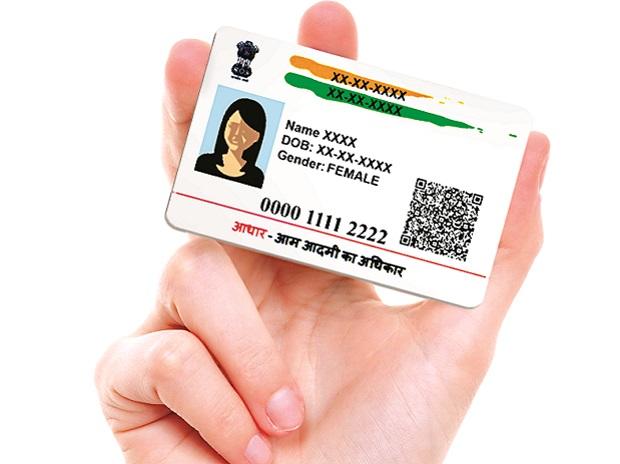
Linking Aadhaar with social media or ending encryption is counterproductive

Should Aadhaar be used as KYC for social media accounts? We have recently seen a debate on this question with even the courts hearing arguments in favour and against such a move. The case began in Madras High Court and later Facebook moved the SC seeking transfer of the petition to the Apex court. The original petition was filed in July, 2018 and sought linking of Aadhaar numbers with user accounts to further traceability of messages. Before we try and answer this question, we need to first understand the differences between the different types of data on social media and messaging platforms. If a crime happens on an end to end cryptographically secure channel like WhatsApp the police may request the following from the provider to help solve the case:

1.Identity data: Phone numbers of the accused. Names and addresses of the accused.

2.Metadata: Sender, receiver(s), time, size of message, flag identifying a forwarded messages, delivery status, read status, etc.

3.Payload Data: Actual content of the text and multimedia messages. Readmore

Facebook, Tesla want to read your mind: here’s why you should be worried

Not content with monitoring almost everything you do online, Facebook now wants to read your mind as well. The social media giant recently announced a breakthrough in its plan to create a device that reads people’s brainwaves to allow them to type just by thinking. And Elon Musk wants to go even further. One of the Tesla boss’ other companies, Neuralink, is developing a brain implant to connect people’s minds directly to a computer. Musk admits that he takes inspiration from science fiction, and that he wants to make sure humans can “keep up” with artificial intelligence. He seems to have missed the part of sci-fi that acts as a warning for the implications of technology.

These mind-reading systems could affect our privacy, security, identity, equality and personal safety. Do we really want all that left to companies with philosophies such as that of Facebook’s former mantra, “move fast and break things”? Though they sound futuristic, the technologies needed to make brainwave-reading devices are not that dissimilar to the standard MRI (magnetic resonance imaging) and EEG (electroencephalography) neuroscience tools used in hospitals all over the world. You can already buy a kit to control a drone with your mind, so using one to type out words is, in some ways, not that much of a leap. The advance will likely be due to the use of machine learning to sift through huge quantities of data collected from our brains and find the patterns in neuron activity that link thoughts to specific words. Read Complete Article

Instagram wants to curb online bullying with a pop-up warning

Instagram on Monday announced new features aimed at curbing online bullying on its platform, including a warning to people as they are preparing to post abusive remarks.

“It’s our responsibility to create a safe environment on Instagram,” said a statement from Adam Mosseri, head of the visually focused social platform owned by Facebook.

“This has been an important priority for us for some time, and we are continuing to invest in better understanding and tackling this problem.

One new tool being rolled out is a warning generated by artificial intelligence to notify users their comment may be considered offensive before it is posted.

“This intervention gives people a chance to reflect and undo their comment and prevents the recipient from receiving the harmful comment notification,” Mosseri said. Readmore

Please don’t use bad words: Pak players appeal public after loss to India

Pakistan pacer Mohammad Amir pleaded with fans to not use “bad words” for players, while senior all-rounder Shoaib Malik called for families to be kept out of criticism that has been pouring in after their World Cup loss to arch-rivals India here.

Pakistani players have been ridiculed on social media and lambasted by former cricketers after the 89-run defeat to India in the marquee World Cup clash here on Sunday.

Sarfaraz Ahmed’s captaincy was called “brainless” by former pacer Shoaib Akhtar, while Malik, who was out for a first-ball duck in the game, found himself in the eye of a storm after videos of a night-out with Indian tennis star wife Sania Mirza went viral on social media.

“On behalf of all athletes I would like to request media and people to maintain respect levels in regards to our families, who should not be dragged into petty discussions at will. It’s not a nice thing to do,” Malik tweeted.

Read Complete Article