Skill gaming startups caught in Karnataka’s online gambling ban

For sectors like ‘online gaming’ and ‘cryptocurrency’, one word that best describes the present regulatory scenario is ‘ambiguous’.

Both sectors are booming in India, but governments have their concerns related to user safety.

This dilemma played out again recently, with Karnataka notifying a law to ban online gambling and betting.

The law provides for up to three years of imprisonment, or a fine of up to Rs 1 lakh.

And here’s the confusing part…

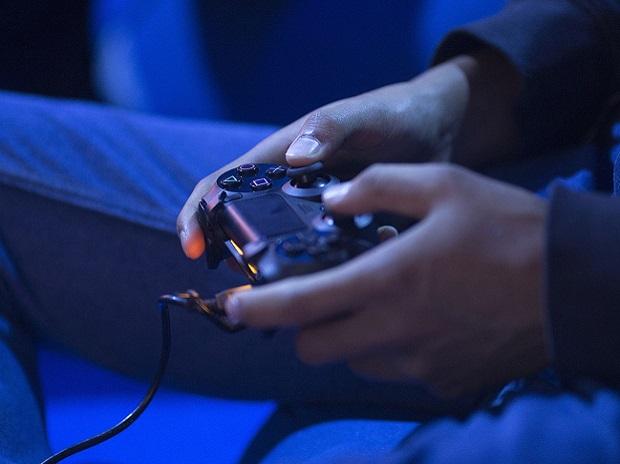
The Karnataka law states that ‘games of chance’ like online casinos and betting websites should be banned. But additionally, it has said that ‘games of skill’ where there is a risk of the player losing money should also be banned.

Now, several Indian courts have previously called games like poker, rummy, and fantasy sports ‘games of skill’ and deemed them legal. The Supreme Court, too, upheld Dream11’s online fantasy sports format as a ‘game of skill’.

The ban has come into effect and top gaming companies such as Mobile Premier League, have begun informing Karnataka users that the law in their state doesn’t allow playing games for cash.

Nazara-owned fantasy sports app Halaplay, Paytm First Games and online rummy portals Ace2Three and RummyCulture have also stopped offering cash games to users in Karnataka.

Dream11 didn’t suspend its cash games along with everyone else, leading to an FIR against the company.

Dream11 has claimed that the complaint is ‘motivated’, but it has also suspended its services in Karnataka now.

A source close to one of the gaming companies affected by the ban said the company was blocking access to Karnataka users through their IP addresses and KYC information.

The source added that the gaming company also had VPN blockers to ensure Karnataka users wouldn’t bypass the ban.

Read Complete Article

Decoded: What is artificial intelligence and how can it be a gamechanger?

First, we need a basic definition of artificial intelligence.

AI is the ability of machines and computers to mimic the human mind’s decision-making and problem-solving capabilities. Note that that ability is limited at present. But, it still has massive implications for everything that constitutes the human world.

Now let’s go a little deeper.

With AI, machines can understand and achieve specific goals. It is built on machine learning and deep learning.

Machine learning is the process by which machines automatically learn from existing data. However, some human intervention is involved in the process. Here, the machine usually requires more structured data to learn.

The second component, deep learning, allows machines to absorb large amounts of unstructured data in the form of text, images, and audio. Unlike machine learning, it doesn’t require human intervention to process data. Deep learning comprises neural networks.

Key features of AI: An AI system must have some of the following characteristics…

  • Observation
  • Analytical ability
  • Problem-solving
  • Learning

The sub-fields of AI are…

  • Deep learning
  • Machine learning

(Source: IBM)

Broadly speaking, AI can be divided into two categories.

The first is known as narrow AI, and it’s the kind that can today be found everywhere – from detecting faces in pictures and flagging content online to dealing with simple customer care inquiries. The most common example of narrow AI that you’ll run into is the online chatbot.

The second is general AI, and it remains just a concept to date. General AI is envisioned to be as adaptable and flexible as human intelligence.

Read Complete Article

Xiaomi tops Central, Eastern Europe 5G smartphones in Q3: Report

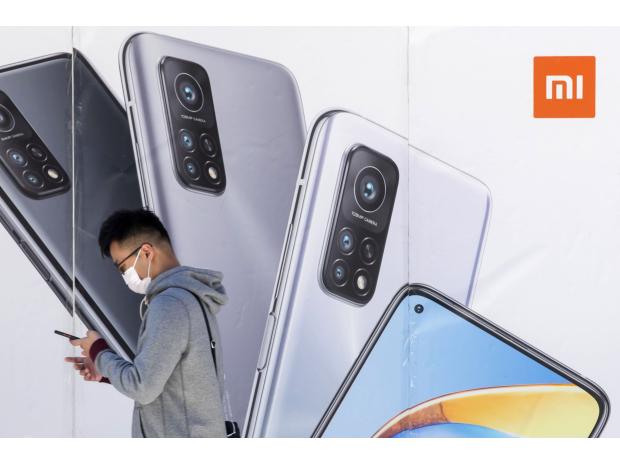
Global smartphone brand Xiaomi has captured an estimated 42 per cent of total 5G smartphone shipments in Central and Eastern Europe in the third quarter of 2021, says a new report.

According to the latest research from Strategy Analytics, Xiaomi will remain the 5G leader above Apple and Samsung in the region till 2022.

Xiaomi is the leading Android 5G smartphone vendor globally in Q3 2021 and is the leading 5G smartphone vendor overall in Central and Eastern Europe,” Strategy Analytics Associate Director Ville-Petteri Ukonaho said in a statement.

The report said that Xiaomi’s 5G smartphone shipments have grown past Apple and Samsung over the past year to take the top spot in 5G smartphones in the region.

“Xiaomi is capitalising on the absence of Huawei, as well as its own portfolio of high-quality affordable 5G smartphones such as the Redmi Note 9T 5G and Mi 11 5G,” said senior analyst Yiwen Wu.

The report said that Apple captured second place in 5G smartphone shipments in the third quarter in the Central and Eastern Europe region, in only its third quarter of offering 5G smartphones.

Samsung, with its lineup of more affordable 5G smartphones took third place with a share of 11.5 per cent of 5G smartphones shipped in the region, drifting from 34.3 per cent in the year-ago quarter.

realme and OnePlus rounded out the top-5 5G smartphone vendors in Central and Eastern Europe with a share of 7.2 per cent and 2.5 per cent of 5G smartphone shipments respectively.

Read Complete Article

Apple stops signing iOS 15.0 following iOS 15.0.1 release

After the release of iOS 15.0.1 on October 1, Apple has stopped signing iOS 15.0, the previously available version of iOS that saw a public release on September 20.

With iOS 15.0 no longer being signed, it is not possible to downgrade to that version if you’ve already updated to iOS 15.0.1.

According to MacRumors, Apple last week stopped signing iOS 14.8 as well, which means iOS 15.0.1 is the only publicly available version of iOS at this time, and those who have upgraded to iOS 15 cannot downgrade to iOS 14.

Apple routinely stops signing older versions of software updates after new releases come out in order to encourage customers to keep their operating systems up to date.

iOS 15.0 marks a major version update introducing Focus Mode, Live Text, on-device Siri, iCloud+, Safari changes, and tons more.

iOS 15.0.1 introduced a fix for a bug that prevented an authenticated Apple Watch from being used to unlock an iPhone 13 model when wearing a face mask.

It also addressed a bug that could cause the Settings app to incorrectly display a storage full alert and it fixed a bug with audio meditations for Fitness+ subscribers.

Read Complete Article

Social media companies face fines for defamatory posts in Australia

The Australian government is considering a range of measures, including fines, that would make social media companies more responsible for defamatory material published on their platforms, Communications Minister Paul Fletcher said on Sunday.

“We expect a stronger position from the platforms,” Fletcher said in an interview on the Australian Broadcasting Corp. “For a long time, they’ve been getting away with not taking any responsibility in relation to content published on their sites.” Intensifying a debate over the country’s libel and defamation laws, Prime Minister Scott Morrison on Thursday called social media “a coward’s palace”, saying platforms should be treated as publishers when defamatory comments by unidentified people are posted.

“Social media has become a coward’s palace where people can go on there, not say who they are, destroy people’s lives, and say the most foul and offensive things to people, and do so with impunity,” Morrison said.

Fletcher said the government was looking at the option to treat them as publishers and the extent of the responsibility in general of platforms, such as Twitter and Facebook when defamatory material was published on their sites. Asked whether the government would consider laws that would fine social media platforms for posting defamatory material, Fletcher said the government was looking at “a whole range” of measures.

Read Complete Article

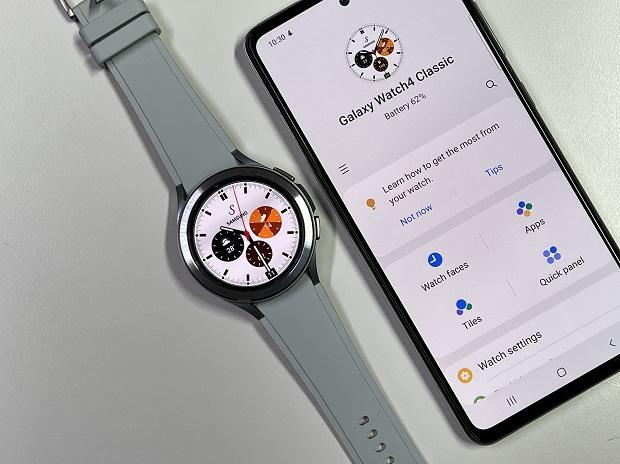
Samsung Galaxy Watch4 Classic review: A promising debut with Google WearOS

The Galaxy Watch4 Classic is among the first smartwatches to come out from the partnership between South Korean electronics maker Samsung and American technology giant Google. Based on the WearOS platform, the smartwatch gains capabilities that the previous iteration of Samsung Galaxy-series smartwatches lacked simply because they were running on its proprietary operating system, Tizen. But how big are these gains and what else is new in the Galaxy Watch4 Classic? Let’s find out.

Design

Some radical changes in design would have been in order to mark the beginning of new era for Google WearOS platform-based Samsung Galaxy smartwatches, but Samsung chose to stick to its classic design language. That said, the Galaxy Watch4 Classic looks identical to its predecessor. The existing Galaxy Watch users might find that boring. First-time users, however, would appreciate the classic design with a rotating ring on the bezel and stainless steel case (46mm review unit). While the watch’s body has not been through any design change, the straps have improved dramatically. They look premium and feel comfortable on skin – thanks to their sweat-resistant properties. The straps are removable, so you can replace them with the ones you might like even better, if required.

Display

Like the predecessor, the watch sports a circular 1.4-inch AMOLED touchscreen. As for the upgrades, the screen gets a bump in peak brightness levels which makes it easy to read in bright outdoor conditions, so the sunlight legibility is much better. The benefit of a bright screen panel also comes to your notice while using the always-on display feature, which keeps the screen active to show basic information on the customisable watch face. The display is covered with scratch-resistant Gorilla Glass DX+ and the watch is water-resistant up to a 50-metre depth.Read Complete Article

Stand out and be heard this festive season, with Spotify.

The upcoming festive season is one the busiest times for any marketer and planner in India. It will be a festive season that’s drastically different from previous years and any marketing campaign will have to stand out to work. If marketers want to specifically reach and engage with Gen Zs and millennials this is even more difficult. And here is where Spotify can make all the difference.

Here’s a quick overview of why marketers should consider talking to their audience on Spotify, especially now. All these details and possibilities are also just an email away at
spotify-advertising-india@spotify.com.

Spotify: The ‘new normal’ in media

On an average, the Indian listener spends 2.5 hours per day on audio and 80% of this time, they can’t be reached through visual media1. eMarketer reports that streaming music was the #1 activity that people adopted during the pandemic. And with connected devices adoption booming, the portability of audio (car, watch, Smart TV, game console, home speakers) means that marketers have ways to reach their audience in key screenless moments, when they otherwise can’t.

As the world’s largest streaming service, Spotify sits at the centre of culture thanks to its ever-growing music catalogue, and a slate of owned and exclusive podcast content. The more our listeners stream, the more insights we derive from their listening behavior – and this powers what we call our Streaming Intelligence. Streaming intelligence helps brands make their communication more relevant, engaging, and meaningful. For instance, 75% of Spotify listeners say they remember ads more when the ads recognize their moment or setting2. Furthermore, This sensory combination extends your creative options, giving you the best of both worlds.

Spotify data shows that running both video and audio increases ad recall by 90% and results in a 2.2x increase in brand awareness3. This means that a plan which includes only display or video advertising is missing out on valuable time and engagement with its intended audience. Spotify fans are creating and curating playlists for every mood, and soundtracking every moment of their lives.

Read Complete Article

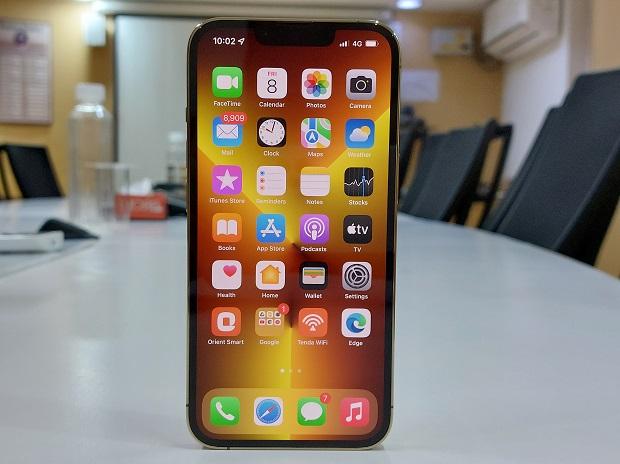
Apple iPhone 13 Pro review: Many small upgrades together make a big package

The Apple iPhone 13 Pro has brought several upgrades over the iPhone 12 Pro, including many that might seem only incremental when looked at in silos. However, this premium smartphone is by no means a minor upgrade. That is because these upgrades – whether big and small – together form a big package. Among the most noticeable are the upgrades with respect to display, imaging and on-battery time. Interestingly, these are also the areas where this smartphone has an edge over others simply because the upgrades influence the overall user experience in a positive way.

Starting with the display, it has got a fair bump in brightness, with the peak level now in the ballpark of 1200 nits for HDR content and 1000 nits in typical scenarios. Besides, the display gains significantly from the ProMotion technology, which breathes life into the user interface elements like transitions, scrolling, animations, etc. For the uninitiated, the ProMotion technology is Apple’s fancy name for adaptive display refresh rate. The iPhone 13 Pro is capable of automatically adjusting the display refresh rate between 10Hz and 120Hz, based on the on-screen content requirement. Lastly, Apple has reduced the notch area on the top side of the screen by 20 per cent. The notch now seems smaller but it is still big enough to be seen as a distraction on the screen.

Moving to imaging, the iPhone 13 Pro has got a new set of three 12-megapixel sensors on the back. Though they seem lacking on paper in terms of megapixel count, their performance and output are top-notch. The primary wide-angle sensor is a stellar performer, irrespective of lighting conditions. The ultra-wide-angle sensor is as good and doubles up as a macro camera for close-up shots, thanks to the auto-focus system. The telephoto lens enables up to 3x optical zoom and is a solid performer – especially in daylight conditions. Overall, the iPhone 13 Pro’s camera system matches the best of cameras in other premium smartphones currently available in the market in terms of still photography.

Read Complete Article

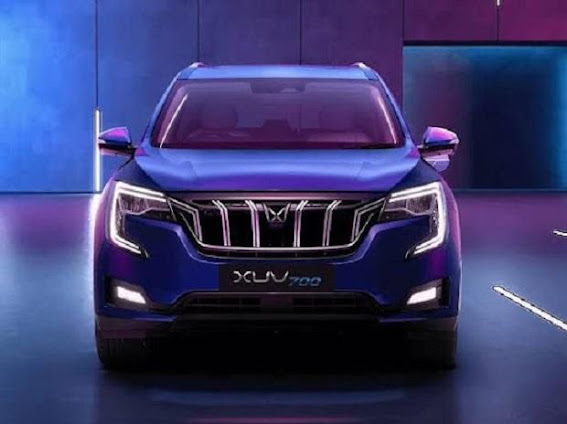
Mahindra XUV 700 gets 25,000 bookings in 57 minutes, equaling 6-mth output

Mahindra XUV700 clocked 25,000 bookings in its first 57 minutes on Thursday, Mahindra and Mahindra said, terming it an “unprecedented milestone in the Indian automotive industry”.

The 25,000 units of the recently launched model is equivalent to up to six months of production, depending on the variant. It also makes the XUV700 the first four-wheeler in India to hit this milestone, the company claimed.

With prices starting from Rs 1,249,000 to Rs 2,299,000, the XUV500 replacement is available in five trims, multiple variants (petrol, diesel, automatic and manual transmission) and five- and seven-seater configurations. While the five-seater model rivals mid-size SUVs such as Creta and Seltos, the seven-seater model competes with the Tata Safari, Toyota Innova and MG Hector and Hector Plus.

“While we anticipated the traffic and prepared our system with added server capacity, the overwhelming response could have regrettably led to a slow user experience by some of our customers,” said Veejay Nakra, CEO, Automotive Division, M&M.

The XUV700, which will replace the XUV500, has also received more than 260,000 inquiries since its name was revealed, M&M said.

India sold 523,012 units of SUVs in the first five months of the ongoing fiscal, according to Society of Indian Automobile Manufacturers (Siam).The body type now accounts for 36 per cent of the total PV sales, up from a fourth a year ago. The booking of 25,000 units of the XUV700 model is almost 20 per cent of the monthly industry volumes of the SUVs. “Many would have booked the model simply due to the uncertainties related to the delivery. The shortage of semiconductor has only deepened in the recent past. A long waiting period may prompt buyers to cancel bookings,” said an analyst.

The Mumbai-headquartered firm will now recommence the bookings from 10 am on Friday.

Read Complete Article

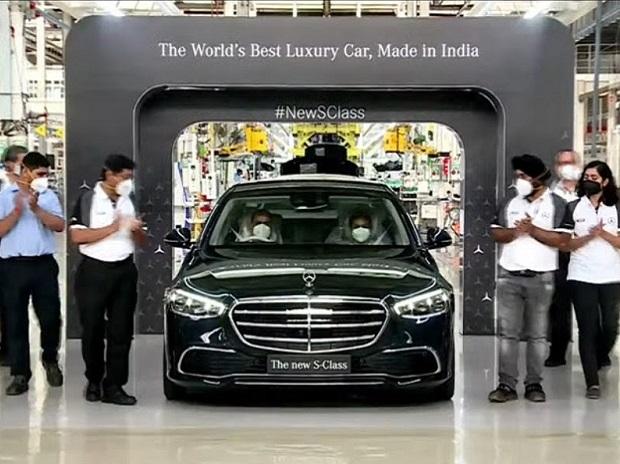
Mercedes-Benz rolls out new locally-produced S-Class; price at Rs 1.57 cr

German premium car maker Mercedes-Benz on Thursday rolled out the new locally-produced S-Class from its Chakan facility in Pune at price starting from Rs 1.57 crore.

The company had launched the imported (completely built unit) version of its new generation flagship sedan S class at a starting price of Rs 2.17 crore in June this year.

Mercedes-Benz India has retailed more than 8, 250 units of the S-Class to the Indian customers, as per the company.

With an overwhelming response to the CBU launch edition of the S-class, Mercedes-Benz is offering Indian customers the locally manufactured version, catering to the heightened demand for the flagship, the company said at the launch.

The new S-Class is available in two variants — S 350 d, which is priced at Rs 1.57 crore and S 450 4MATIC at Rs 1.62 crore.

The company now produces 13 car models at its Chakan production facility.

We are in particular overwhelmed with the tremendous response to the New Generation S-Class and to cater to the increased demand, we are now commencing the local production ahead of our planning. We are confident the locally made S-Class will continue to retain its high loyalty from our discerning customers in India, said Martin Schwenk, Managing Director and CEO, Mercedes-Benz India,

Stating that each new generation of the S-Class is always highly anticipated and sets new standard for the automotive industry to pursue, Schwenk said, the current World Luxury Car’ — the new S-Class– underscores Mercedes-Benz’s ambition of introducing the most desirable products with highest standards in innovation, technology, safety and comfort like never before.

The S-Class production involves the use of latest technology and innovations at Mercedes-Benz India’s production facility at Chakan (Pune), the car maker said, adding the latest offering uses digitisation for a car that responds empathetically to the needs and wishes of its driver and passengers.

The new technological innovations introduced in the S-Class production process includes robots, various AR/VR based training modules, it said.

The new S-Class 5,0, now also has the Driving Assistance Package 5.0 latest generation with new improved functions, the car maker said.

Read Complete Article